Posted on Dec. 7, 2016
Congratulations/Felicidades a Bley Fernandez y Gail Hull!
Theme: A Mouse’s Nightmare/Sueños malos por un ratón
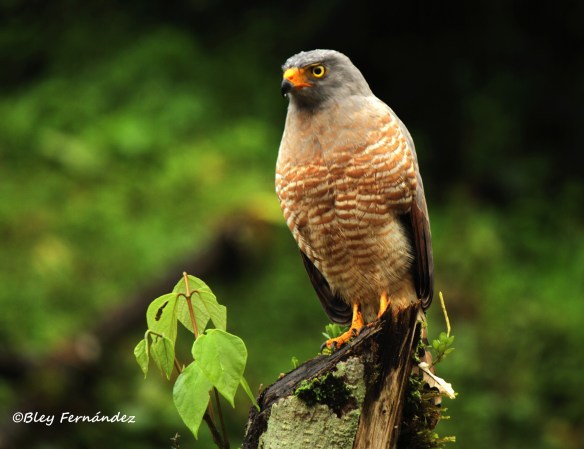
Photo/foto #1: Roadside Hawk (from Bley Fernandez)
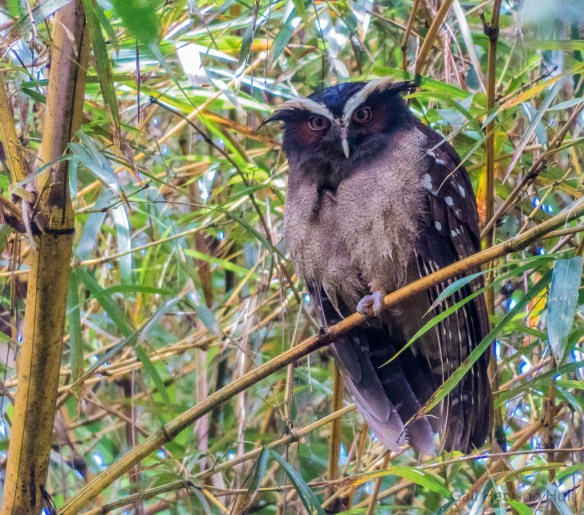
Photo/foto #2: Crested Owl (from Gail Hull)

Theme: A Mouse’s Nightmare/Sueños malos por un ratón
Photo/foto #1: Roadside Hawk (from Bley Fernandez)
Photo/foto #2: Crested Owl (from Gail Hull)
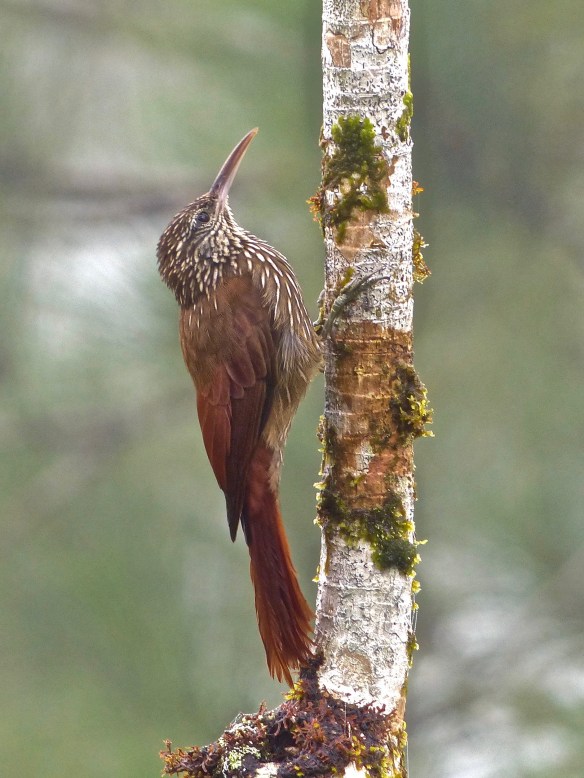 Song/cancion
2. The closely related Spotted Woodcreeper with a very different song./Muy simlar, es el Spotted Woodcreeper con una canción muy diferente.
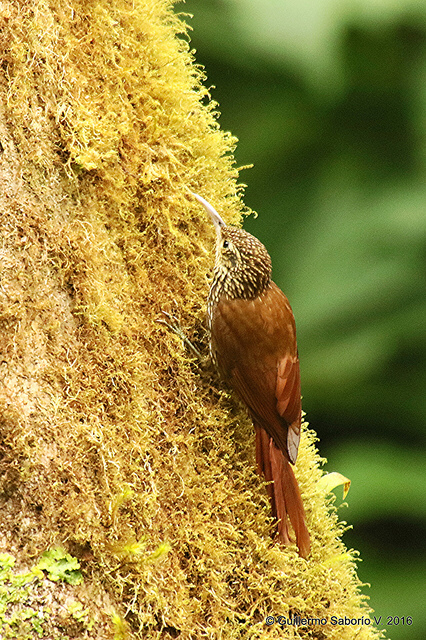
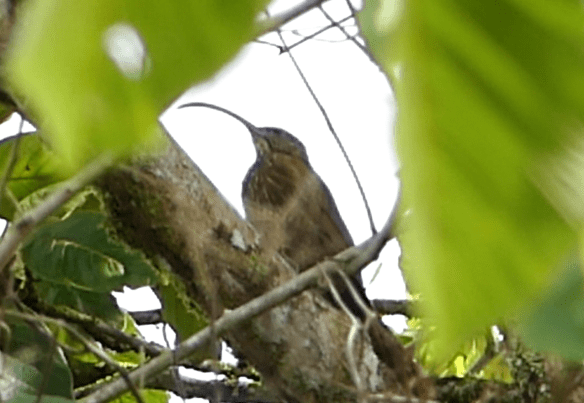
3. The remarkable Brown-billed Scythebill./El woodcreeper increible; Brown-billed Scythebill.
4. The very active Olivaceous Woodcreeper./El Woodcreeper con mucho energía; Olivaceous Woodcreeper.
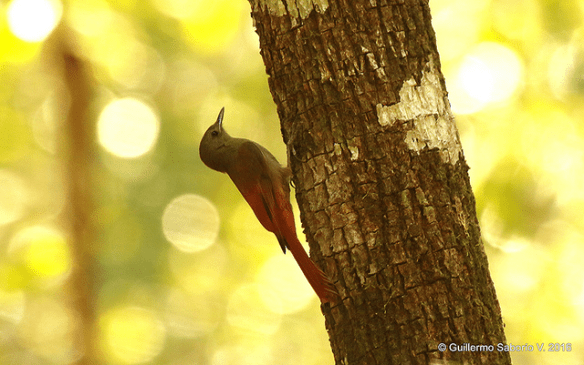
http://www.hbw.com/ibc/sound/olivaceous-woodcreeper-sittasomus-griseicapillus/solitary
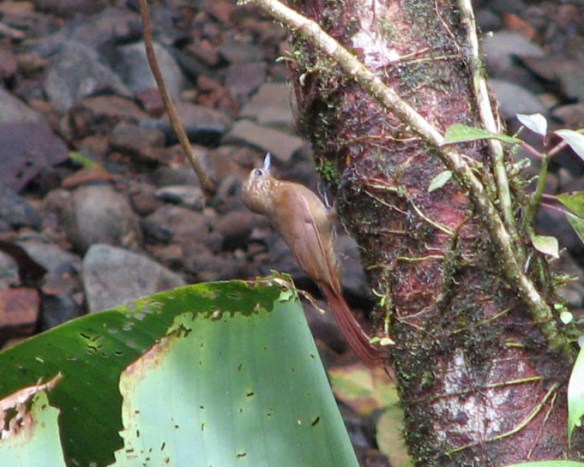
5. The Wedge-billed Woodcreeper./El Wedge-billed Woodcreeper.
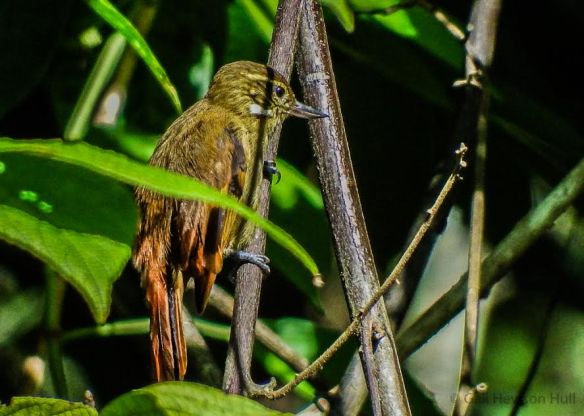
6. The very similar Plain Xenops. El Plain Xenops, muy similar.
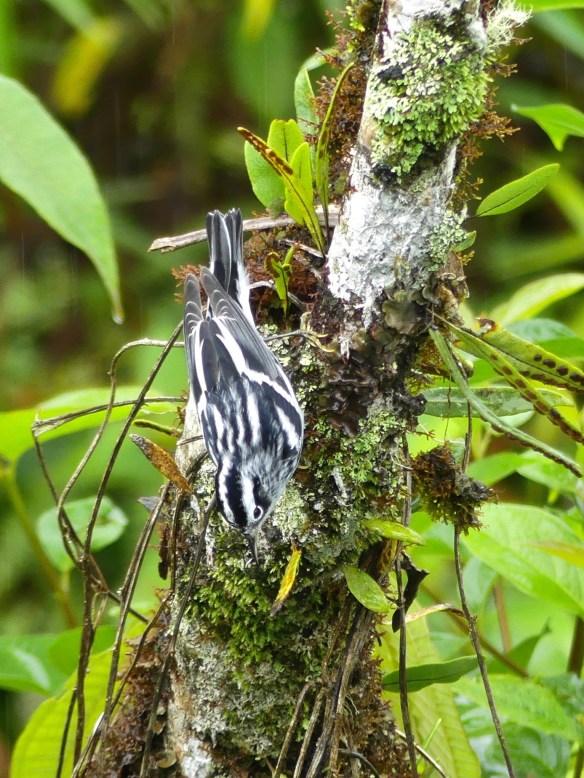
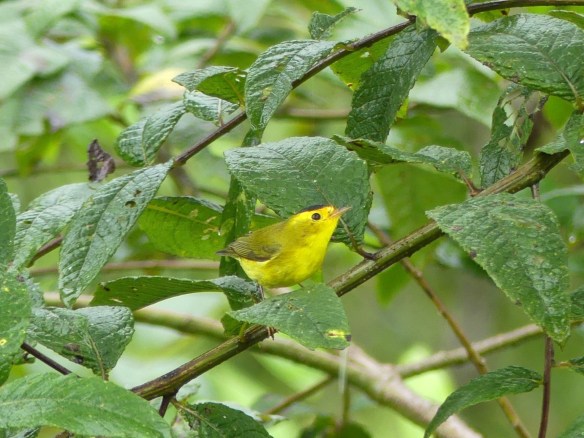
Theme: Migrant Warblers
Photo/foto #1: Black and White Warbler (Zebra)
Photo/foto #2: Wilson’s Warbler
San Vito Bird Club bird walks are changing from Saturday mornings to Sunday mornings. This change is to accommodate the every increasing popularity of our wonderful San Vito Saturday morning Farmer’s Market. Our next walk is SUNDAY, Dec. 4th at the Wilson Botanical Garden (Las Cruces).
Please join us for this, hopefully dry and sunny, bird walk. Following the walk we will be collecting your 2017 SVBC dues. Dues have not been increased for several years but this year they are going up, slightly. The new membership fees are:
You may also pay your dues from the PayPal button below.
We also have some exciting new San Vito Bird Club merchandise you can order!
We look forward to seeing you at our new Sunday bird walk—Dec. 4th. And don’t forget to take home your FREE-FREE-FREE San Vito Bird Club window sticker.
////////////
Las caminatas del Club de Aves de San Vito pasan de sábados en la mañana a los domingos en la mañana. Este cambio es para ajustarnos a la creciente popularidad de nuestra Feria del Agricultor los sábados en la mañana en San Vito. Nuestra próxima caminata es el DOMINGO 4 de diciembre en el Jardín Botánico Wilson (Las Cruces).
Por favor acompáñenos en esta, ojalá seca y soleada, caminata para pajarear. Después de la caminata, recolectaremos las cuotas de membresía del SVBC de 2017. El costo de la membresía no ha incrementado por varios años, pero este año será un poco mayor. Los nuevos costos de membresía son:
Usted puede también cancelar su membresía desde el botón de PayPal abajo.
¡También tenemos noticias emocionantes sobre mercadería del Club de Aves de San Vito que usted puede ordenar!
Esperamos verles en nuestra nueva caminata para pajarear – el domingo 4 de diciembre. No olvide llevarse a casa su pegatina del Club de Pájaros de San Vito GRATIS-GRATIS-GRATIS.
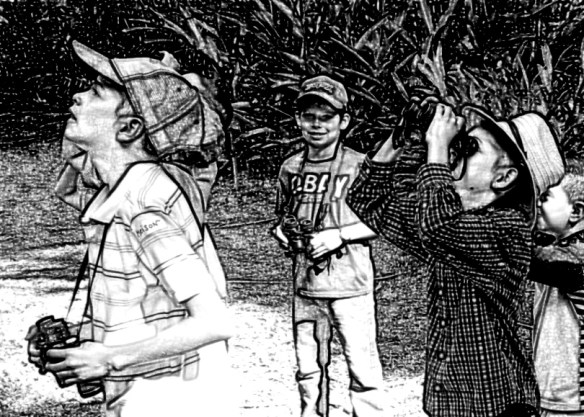
Ever held a hummingbird in your hand and felt it’s heart beating at close to 1000 beats per minute? This week students from Santa Cecilia School had that very experience under the watchful and experienced eye of Pablo ‘Chespi’ Elizondo and his team of skilled mist netters from the Costa Rica Bird Observatory (CRBO).
Chespi Elizondo and CRBO conduct regular monitoring of bird species throughout the country using a technique known as mist netting. In mist netting, birds are humanely captured and collected after they become entangled in delicate and lightweight 10-meter long nets. The birds are gently removed from the nets and then taken back to a data collection station where they are weighed and measured. Santa Cecilia school students not only watched these scientific endeavors but also took part!
The young scholars also helped the CRBO crew in gathering more scientific data, such as each bird’s age, sex (if possible), breeding status and general health. The birds are also given a numbered band, which is attached to the leg. Not surprisingly, a significant number of the mist netted birds show up with a numbered band already in place! Collection of data from these previously tagged birds can provide great insight into bird migration patterns and longevity.
Earlier this year these same Santa Cecilia School students successfully completed the Detectives de Aves curriculum with instructor Eugenio Garcia and assistant Helen LeVasseur. But mist netting with CRBO has allowed the students that rare opportunity to get up close and personal with some of Costa Rica’s most beautiful and delicate bird species and to be a part of actual science in action.
A rare opportunity was also afforded the San Vito Bird Club, Pablo ‘Chespi’ Elizondo and his CRBO team of mist netters…the opportunity to observe that look of awe and wonder that shines in the eyes of a child.
***************************
¿Alguna vez sostuvo un colibrí en sus manos y sintió que su corazón palpitaba a 1000 latidos por minuto? Esta semana, estudiantes de la Escuela de Santa Cecilia tuvieron esa misma experiencia bajo la mirada experta y vigilante de Pablo ‘Chespi’ Elizondo y su equipo de hábiles colocadores de redes del Costa Rica Bird Observatory (CRBO).
Chespi Elizondo y CRBO condujeron un monitoreo regular de las especies en el país utilizando una técnica conocida como “redes de niebla”. En las redes, los pájaros son capturados de manera humana y recolectados cuando quedan atrapados en la delicada y liviana red de 10 metros. Las aves son gentilmente liberadas de las redes y luego llevadas a una estación de recolección de datos, donde son medidas y pesadas. Los estudiantes de la Escuela de Santa Cecilia no solamente observaron estos esfuerzos, sino que ¡además tomaron parte en ellos!
Los jóvenes intelectuales ayudaron también al equipo de CRBO a recoger más datos científicos, como la edad de las aves, el sexo (cuando fue posible identificarlo), status reproductivo y salud general. Las aves fueron identificadas con un brazalete numerado, que se coloca en una de sus patas. Como era de esperar, ¡una cantidad significante de pájaros aparecían con un brazalete ya en su pata! La recolección de datos sobre estas aves previamente catalogadas puede aportar información sobre patrones de migración y longevidad.
Más temprano este año, estos mismos estudiantes de la Escuela de Santa Cecilia finalizaron exitosamente el currículo de Detectives de Aves con el instructor Eugenio García y su asistente Helen LeVasseur. Pero trabajar con las redes de niebla ayudó a los estudiantes a tener un acercamiento personal con algunas de las especies de aves más bellas y delicadas de Costa Rica, a la vez que toman parte de una empresa científica.
Una experiencia poco común fue también dada al San Vito Bird Club por Pablo ‘Chespi’ Elizondo y su equipo de CRBO, la oportunidad de observar esa mirada de sobrecogimiento y el brillo en los ojos de un niño.

Theme: Beautiful throats!
Photo/foto #1: Sapphire-throated Hummingbird (Ciudad Neily); by Marvin Blanco

Photo/foto #2: Lilac-breasted Roller: Alison Olivieri
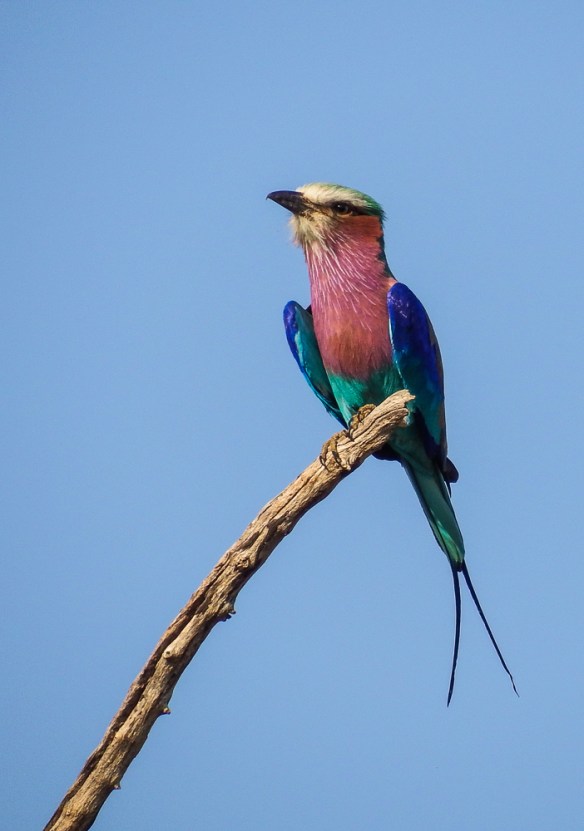
Lilac-breasted Roller in the Okavango Delta. Fofo de Alison Olivieri.
Theme: Big bird, small bird / Pajaro grande, pajaro pequeno
Photo/foto #1: Bare-throated Tiger heron (juvenile)/Garza Tigre (juvenil) Photo by Jo Davidson.

Photo/foto #2: Stripe-throated Hermit/Hermito Pequeno Photo by Jo Davidson.

Please see the attached link below. This is an exciting new project to expand the Automated Remote Biodiversity Monitoring Network around the world and listen to the sounds of nature in real-time. One of the proposed sites is our very own Las Cruces Biological Station (Wilson Garden), along with sites in Peru and Madagascar. There is a Kickstarter element to this project as well.
Please check out the link below and send your comments, thoughts and input to:
executive_committee@sanvitobirdclub.org
After reading a previous article on this site about name changes for some of our Costa Rican birds, you are probably either cursing taxonomists or wondering who they are and what they do. Although we can’t help you control the first reaction, we can at least shed a little light on the second.
A taxonomist is a scientist who classifies organisms into various categories. Carolus Linnaeus developed the taxonomy for animals in 1758, and we are still using his system of seven levels today: Kingdom, Phylum, Class, Order, Family, Genus, species. As science and methodologies become more advanced, researchers find new information (through DNA testing, for example) that may change a species’ place in the taxonomic structure.
In the case of birds, researchers submit their proposals for taxonomic changes to the American Ornithology Union. The North American Classification Committee (NACC) for North and Middle American Birds is a group of taxonomists within that organization. NACC members review every proposal and determine which have sufficient merit to warrant actual changes to the taxonomy. Those changes are published once a year. We sometimes may be a bit perplexed by a name or classification change, but now at least we know that actual science is behind each decision.
Here are the changes to English and scientific names approved this year for Costa Rican birds:
Plain Wren has been split into three separate species.
Gray-necked Wood-Rail is now Gray-cowled Wood-Rail
Three-striped Warbler is now Costa Rican Warbler (Basileuterus melanotis).
Blue-crowned Motmot is now Lesson’s Motmot (Momotus lessoni).
Green Violetear. is now Lesser Violetear (Colibri cyanotus).
Only the scientific names of the following species have been changed.
References:
http://www.wildbirds.com/Identify-Birds/Bird-Taxonomy
(From SVBC Taxonomy reporter Jo Davidson)
////////////////////////////
Después de haber leído un artículo previo en este sitio sobre los cambios de nombre de algunas de nuestras aves en Costa Rica, usted estará probablemente maldiciendo a los taxonomistas o preguntándose quiénes son y qué es lo que hacen. Aunque no podemos ayudarle a controlar la primera reacción, podemos al menos ayudarle con la segunda.
Un taxonomista es un científico que clasifica organismos en varias categorías. Carolus Linnaeus desarrolló la taxonomía para animales en 1758, y aún estamos utilizando su Sistema de siete niveles hoy: Reino, Filo, Clase, Orden, Familia, Género, Especie. Conforme la ciencia y los métodos avanzan, los investigadores encuentran nueva información (a través de pruebas de ADN, por ejemplo) que puede cambiar el lugar de una especie en la estructura taxonómica.
En el caso de las aves, los investigadores envían sus propuestas para cambios en la estructura taxonómica a la American Ornithology Union (Unión de Ornitólogos Americanos). El North American Classification Committee (NACC) (Comité de Clasificación de América del Norte) para aves del norte y del centro de América es un grupo de taxonomistas dentro de esa organización. Los miembros del NACC revisan cada propuesta y determinan cuales poseen suficiente mérito para provocar cambios en la taxonomía. Tales cambios se publican una vez al año. Ocasionalmente puede que un cambio de nombre o clasificación nos deje perplejos, pero al menos sabemos que es la ciencia la que está detrás de cada decisión.
Aquí están los cambios en inglés y nombres científicos aprobados este año para aves en Costa Rica: Plain Wren ha sido dividida en tres especies separadas.
• Isthmian Wren (Cantorchilus elutus) (Soterrey de Panamá)
• Cabanis’s Wren (Cantorchilus modestus) (Soterrey Chinchirigüí)
• Canebrake Wren (Cantorchilus zeledoni) (Soterrey de Zeledón)
El Gray-necked Wood-Rail es ahora Gray-cowled Wood-Rail. Mantiene su nombre en español (Rascón Cuelligrís).
El Three-striped Warbler es ahora Costa Rican Warbler (Basileuterus melanotis) (Reinita Costarricense).
El Blue-crowned Motmot es ahora Lesson’s Motmot (Momotus lessoni). Mantiene su nombre en español (Momoto Coroniazul).
El Green Violetear es ahora Lesser Violetear. Mantiene su nombre en español (Colibrí Orejivioláceo Verde). Solo los nombres científicos de las siguientes especies han cambiado.
• Pink-footed Shearwater (Puffinus creatopus) (Pardela Blanca Común) es ahora Ardenna creators
• Wedge-tailed Shearwater (Puffinus pacificus) (Pardela Colicuña) es ahora Ardenna pacifica
• Sooty Shearwater (Puffinus griseus) (Pardela Sombría) es ahora Ardenna grisea • Short-tailed Shearwater (Puffinus tenuirostris) (Pardela Colicorta) es ahora Ardenna tenuirostris • Dusky Antbird (Cercomacra tyrannina) (Hormiguero Negruzco) es ahora Cercomacroides tyrannina
• Tawny-crowned Greenlet (Hylophilus ochraceiceps) (Verdillo Leonado) es ahora Tunchiornis ochraceiceps
• Lesser Greenlet (Hylophilus decurtatus) (Verdillo Menudo) es ahora Pachysylvia decurtata
Referencias (inglés): http://www.wildbirds.com/Identify-Birds/Bird-Taxonomy http://www.americanornithology.org/content/aou-committee-classification-and-nomenclature-north-and-middle-american-birds Referencias (español): https://listaoficialavesdecostarica.wordpress.com/lista-oficial/ https://listaoficialavesdecostarica.wordpress.com/lista-oficial/lista-oficial-online/
(Desde Jo Davidson; especialista de taxonomia por SVBC.)
 San Vito Bird Club
You must be logged in to post a comment.