After reading a previous article on this site about name changes for some of our Costa Rican birds, you are probably either cursing taxonomists or wondering who they are and what they do. Although we can’t help you control the first reaction, we can at least shed a little light on the second.
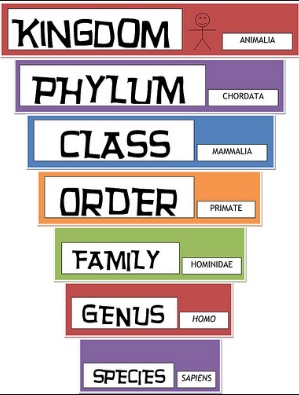
A taxonomist is a scientist who classifies organisms into various categories. Carolus Linnaeus developed the taxonomy for animals in 1758, and we are still using his system of seven levels today: Kingdom, Phylum, Class, Order, Family, Genus, species. As science and methodologies become more advanced, researchers find new information (through DNA testing, for example) that may change a species’ place in the taxonomic structure.
In the case of birds, researchers submit their proposals for taxonomic changes to the American Ornithology Union. The North American Classification Committee (NACC) for North and Middle American Birds is a group of taxonomists within that organization. NACC members review every proposal and determine which have sufficient merit to warrant actual changes to the taxonomy. Those changes are published once a year. We sometimes may be a bit perplexed by a name or classification change, but now at least we know that actual science is behind each decision.
Here are the changes to English and scientific names approved this year for Costa Rican birds:
Plain Wren has been split into three separate species.
- Isthmian Wren (Cantorchilus elutus).
- Cabanis’s Wren (Cantorchilus modestus)
- Canebrake Wren (Cantorchilus zeledoni)
Gray-necked Wood-Rail is now Gray-cowled Wood-Rail
Three-striped Warbler is now Costa Rican Warbler (Basileuterus melanotis).
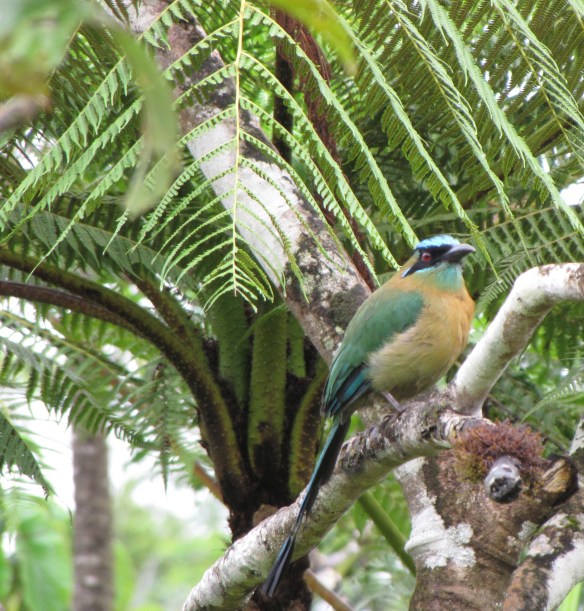
Blue-crowned Motmot is now Lesson’s Motmot (Momotus lessoni).
Green Violetear. is now Lesser Violetear (Colibri cyanotus).
Only the scientific names of the following species have been changed.
- Pink-footed Shearwater (Puffinus creatopus) is now Ardenna creators
- Wedge-tailed Shearwater (Puffinus pacificus) is now Ardenna pacifica
- Sooty Shearwater (Puffinus griseus) is now Ardenna grisea
- Short-tailed Shearwater (Puffinus tenuirostris) is now Ardenna tenuirostris
- Dusky Antbird (Cercomacra tyrannina) is now Cercomacroides tyrannina
- Tawny-crowned Greenlet (Hylophilus ochraceiceps) is now Tunchiornis ochraceiceps
- Lesser Greenlet (Hylophilus decurtatus) is now Pachysylvia decurtata
References:
http://www.wildbirds.com/Identify-Birds/Bird-Taxonomy
http://www.americanornithology.org/content/aou-committee-classification-and-nomenclature-north-and-middle-american-birds
(From SVBC Taxonomy reporter Jo Davidson)
////////////////////////////
Después de haber leído un artículo previo en este sitio sobre los cambios de nombre de algunas de nuestras aves en Costa Rica, usted estará probablemente maldiciendo a los taxonomistas o preguntándose quiénes son y qué es lo que hacen. Aunque no podemos ayudarle a controlar la primera reacción, podemos al menos ayudarle con la segunda.
Un taxonomista es un científico que clasifica organismos en varias categorías. Carolus Linnaeus desarrolló la taxonomía para animales en 1758, y aún estamos utilizando su Sistema de siete niveles hoy: Reino, Filo, Clase, Orden, Familia, Género, Especie. Conforme la ciencia y los métodos avanzan, los investigadores encuentran nueva información (a través de pruebas de ADN, por ejemplo) que puede cambiar el lugar de una especie en la estructura taxonómica.
En el caso de las aves, los investigadores envían sus propuestas para cambios en la estructura taxonómica a la American Ornithology Union (Unión de Ornitólogos Americanos). El North American Classification Committee (NACC) (Comité de Clasificación de América del Norte) para aves del norte y del centro de América es un grupo de taxonomistas dentro de esa organización. Los miembros del NACC revisan cada propuesta y determinan cuales poseen suficiente mérito para provocar cambios en la taxonomía. Tales cambios se publican una vez al año. Ocasionalmente puede que un cambio de nombre o clasificación nos deje perplejos, pero al menos sabemos que es la ciencia la que está detrás de cada decisión.
Aquí están los cambios en inglés y nombres científicos aprobados este año para aves en Costa Rica: Plain Wren ha sido dividida en tres especies separadas.
• Isthmian Wren (Cantorchilus elutus) (Soterrey de Panamá)
• Cabanis’s Wren (Cantorchilus modestus) (Soterrey Chinchirigüí)
• Canebrake Wren (Cantorchilus zeledoni) (Soterrey de Zeledón)
El Gray-necked Wood-Rail es ahora Gray-cowled Wood-Rail. Mantiene su nombre en español (Rascón Cuelligrís).
El Three-striped Warbler es ahora Costa Rican Warbler (Basileuterus melanotis) (Reinita Costarricense).
El Blue-crowned Motmot es ahora Lesson’s Motmot (Momotus lessoni). Mantiene su nombre en español (Momoto Coroniazul).
El Green Violetear es ahora Lesser Violetear. Mantiene su nombre en español (Colibrí Orejivioláceo Verde). Solo los nombres científicos de las siguientes especies han cambiado.
• Pink-footed Shearwater (Puffinus creatopus) (Pardela Blanca Común) es ahora Ardenna creators
• Wedge-tailed Shearwater (Puffinus pacificus) (Pardela Colicuña) es ahora Ardenna pacifica
• Sooty Shearwater (Puffinus griseus) (Pardela Sombría) es ahora Ardenna grisea • Short-tailed Shearwater (Puffinus tenuirostris) (Pardela Colicorta) es ahora Ardenna tenuirostris • Dusky Antbird (Cercomacra tyrannina) (Hormiguero Negruzco) es ahora Cercomacroides tyrannina
• Tawny-crowned Greenlet (Hylophilus ochraceiceps) (Verdillo Leonado) es ahora Tunchiornis ochraceiceps
• Lesser Greenlet (Hylophilus decurtatus) (Verdillo Menudo) es ahora Pachysylvia decurtata
Referencias (inglés): http://www.wildbirds.com/Identify-Birds/Bird-Taxonomy http://www.americanornithology.org/content/aou-committee-classification-and-nomenclature-north-and-middle-american-birds Referencias (español): https://listaoficialavesdecostarica.wordpress.com/lista-oficial/ https://listaoficialavesdecostarica.wordpress.com/lista-oficial/lista-oficial-online/
(Desde Jo Davidson; especialista de taxonomia por SVBC.)








 San Vito Bird Club
You must be logged in to post a comment.