I hope everyone reading this, wherever in the world they are, is healthy, happy and living without fear! It has been too long since I have posted here. I have been meaning to do it for a while, but well, good intentions and all that…
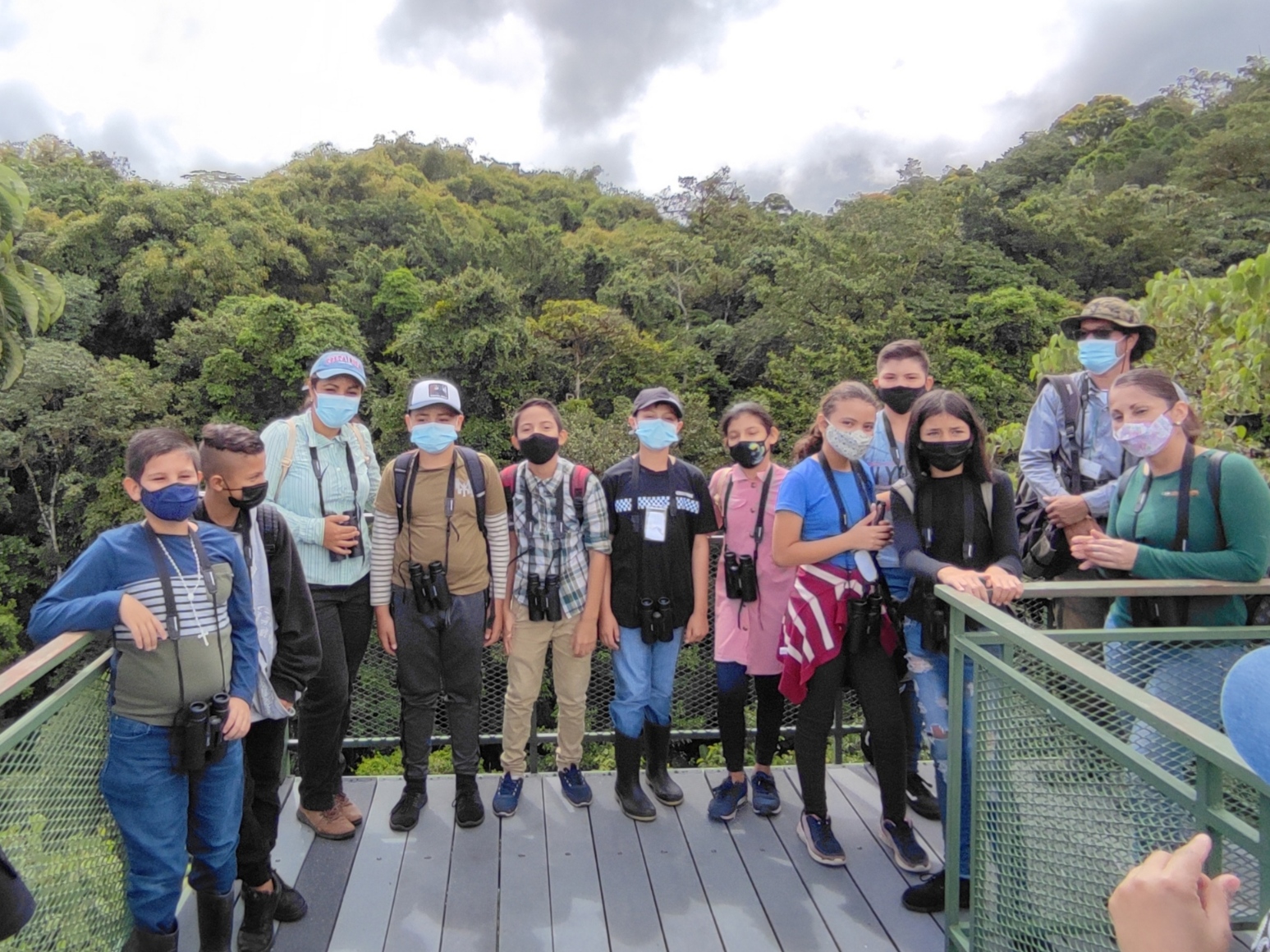
After an academic year 2020 without classes at all, I was frankly feeling rather pessimistic about our chances of offering Detectives de Aves in the local schools this academic year. Luckily, many of my neighbors had a lot more sense than I did. Marco Mora, our principal teacher this year, and I began visiting schools in mid-februrary, a couple of weeks after classes resumed after nearly a year, expecting to merely stop by, say, “Hola, we’re still here!” and move on. Much to our surprise, however, we were welcomed with open arms at four schools; Santa Rita, Las Mellizas, San Francisco (de La Lucha) and San Miguel. We were very excited to begin again, and the kids were happy to have us back, too. The year off had been very hard on everyone, especially the kids. The directora of Santa Rita, to whom I will always be grateful for NOT going on strike for 3 months in 2018, told me that during the first week back the kids hardly even talked to each other. They’d apparently forgotten how to socialize, which is very strange for young Homo sapiens. In any case, by the time we started up in early March, any shyness they had once had was long gone, and we were rather bombarded with questions, observations, and just crazy stuff — which is how it should be.
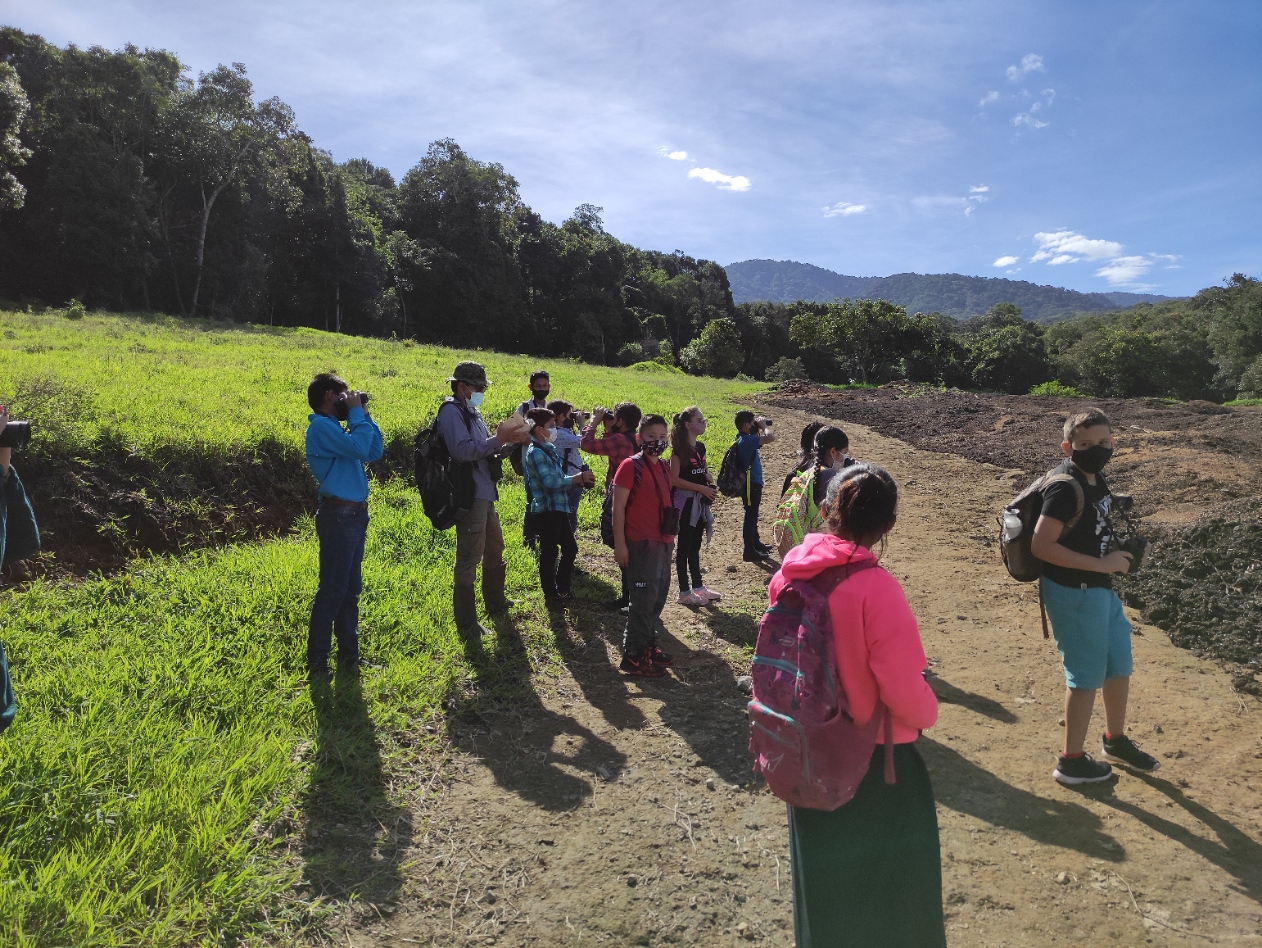
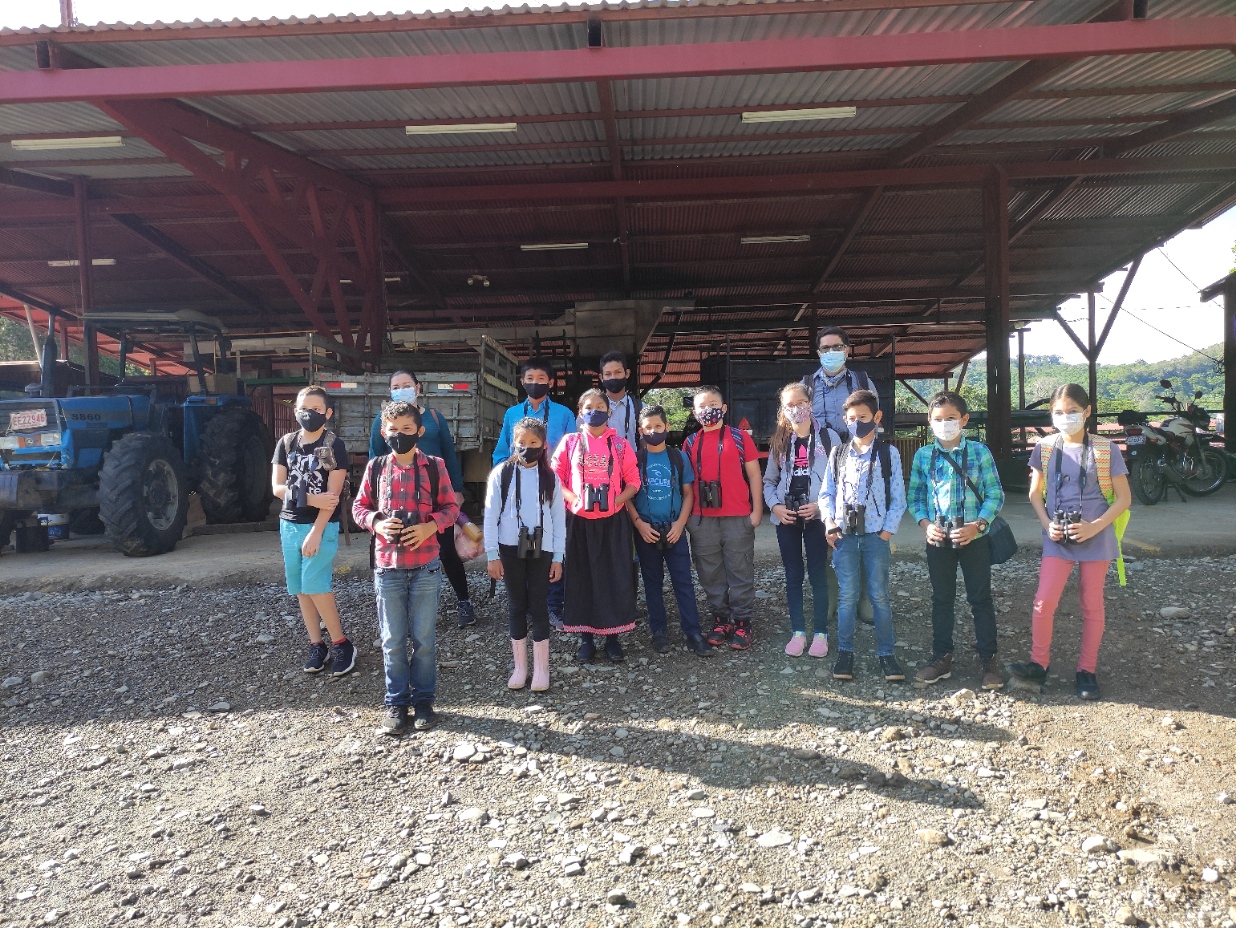
We got off to a running start in Santa Rita, San Francisco and Las Mellizas, by giving lessons for 3 plus hours each week during a day when the kids were not normally in school — because of the continuing COVID situation, most kids don’t go to school every day — and we were, fortunately, able to finish Detectives in Santa Rita and Las Mellizas before school was halted again for 2 months in May. We had only one lesson left to give in San Francisco when we had to stop. In San Miguel, Carla was a little farther behind due to (inevitable) scheduling conflicts. Being able to bring the kids from Santa Rita to the Gardens once again after more than a year was a real pleasure. A big thanks to CAFROSA, or Finca La Amistad, for letting us bring the kids from Las Mellizas there for their graduation bird walk and lunch. It was an exceptional day!

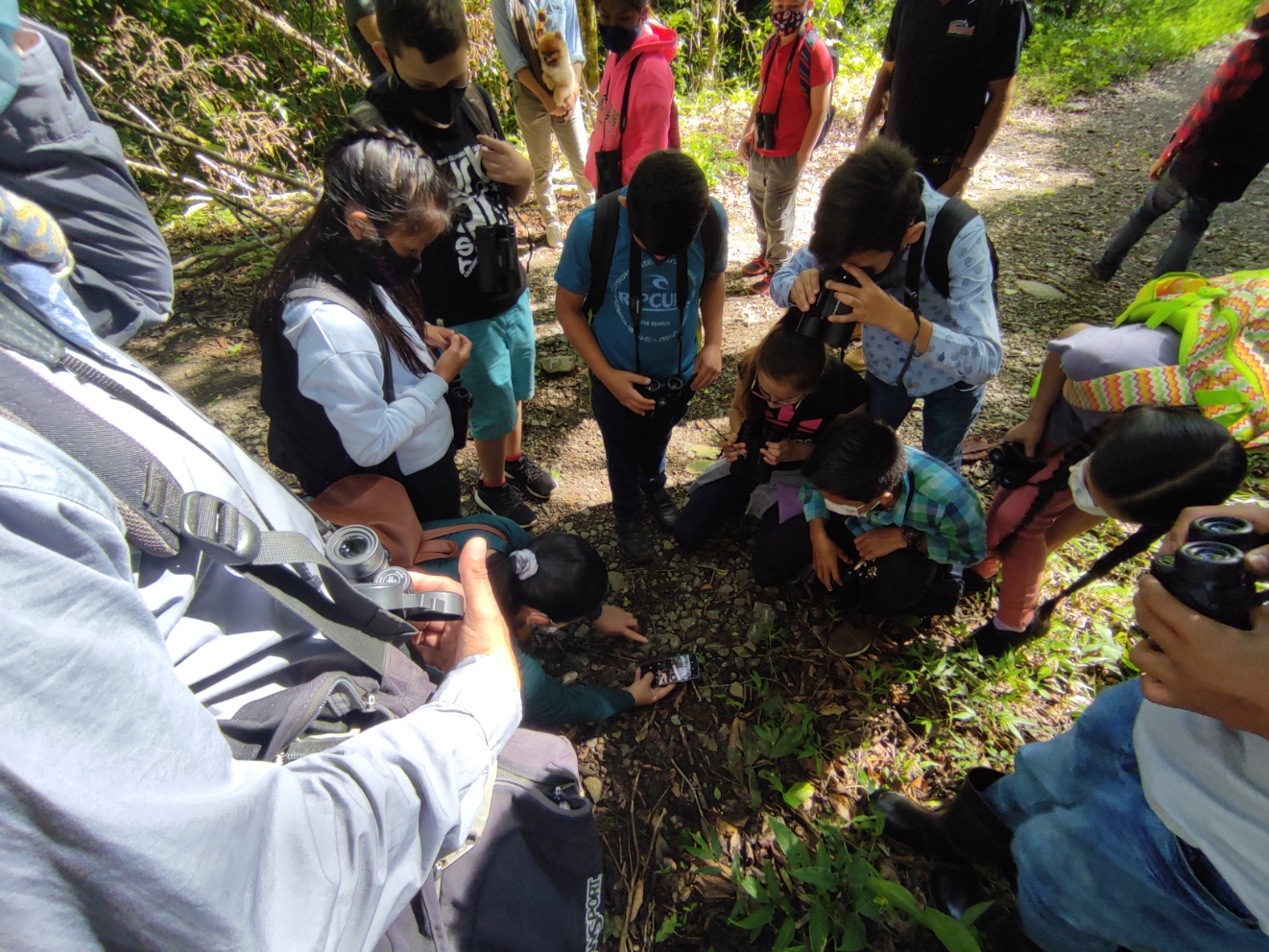
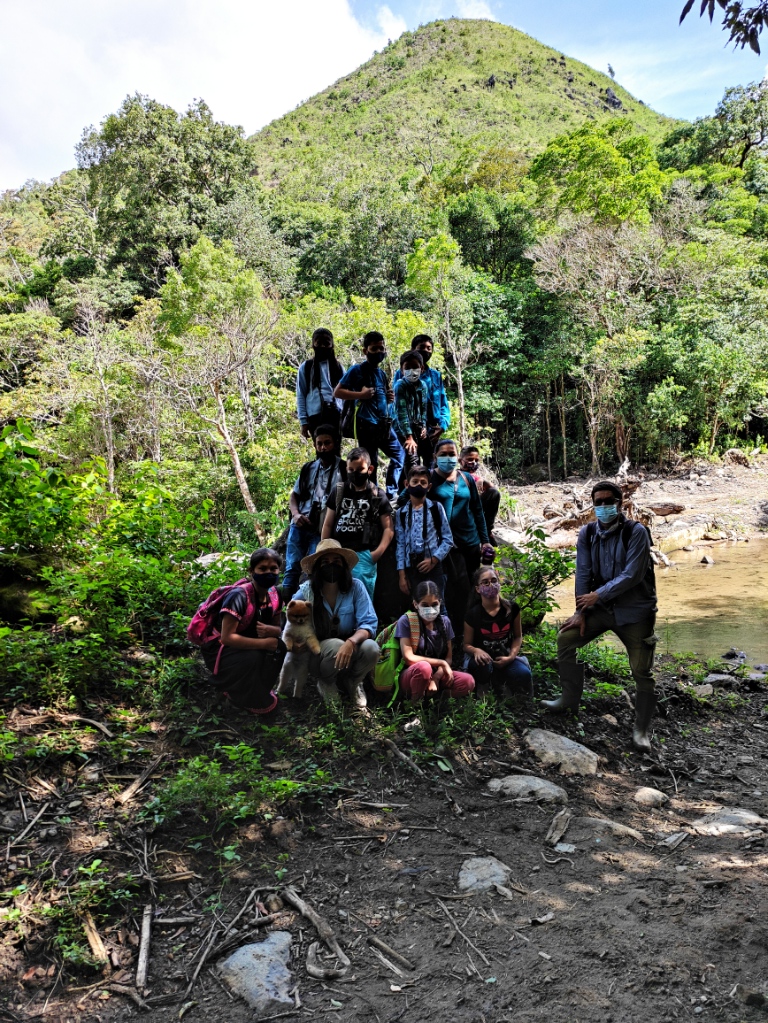
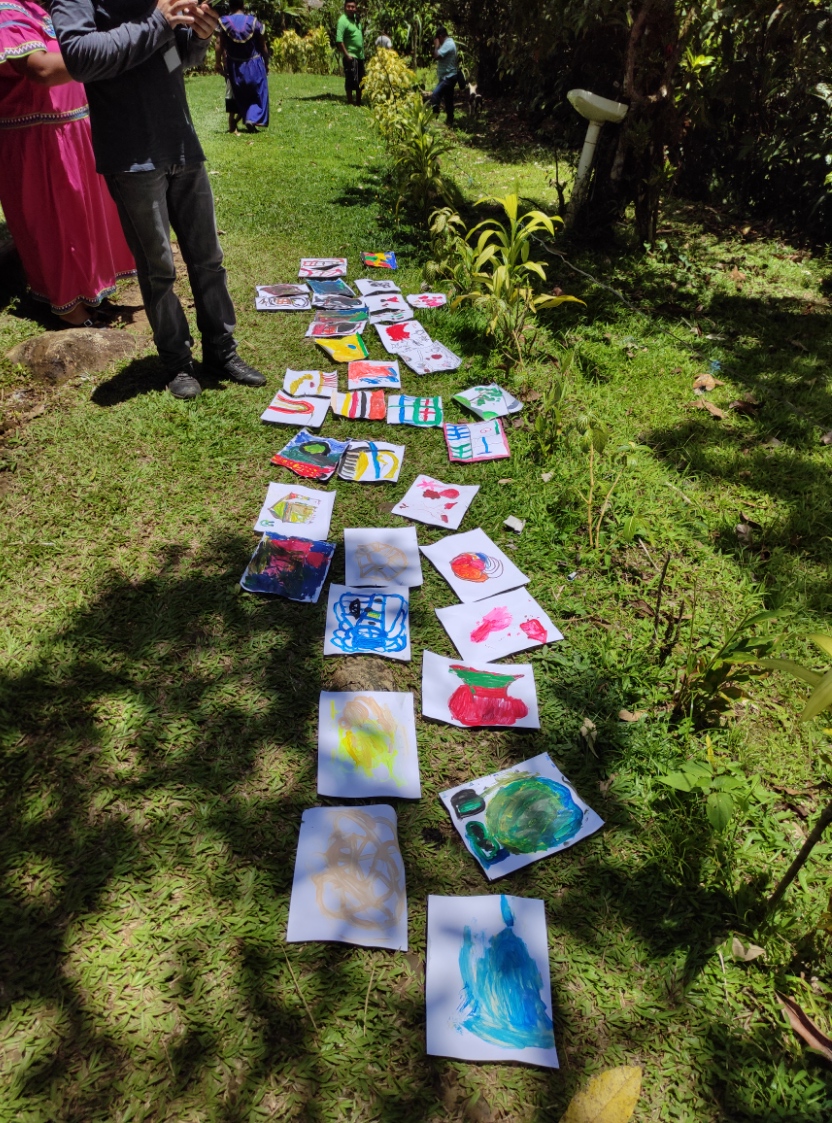
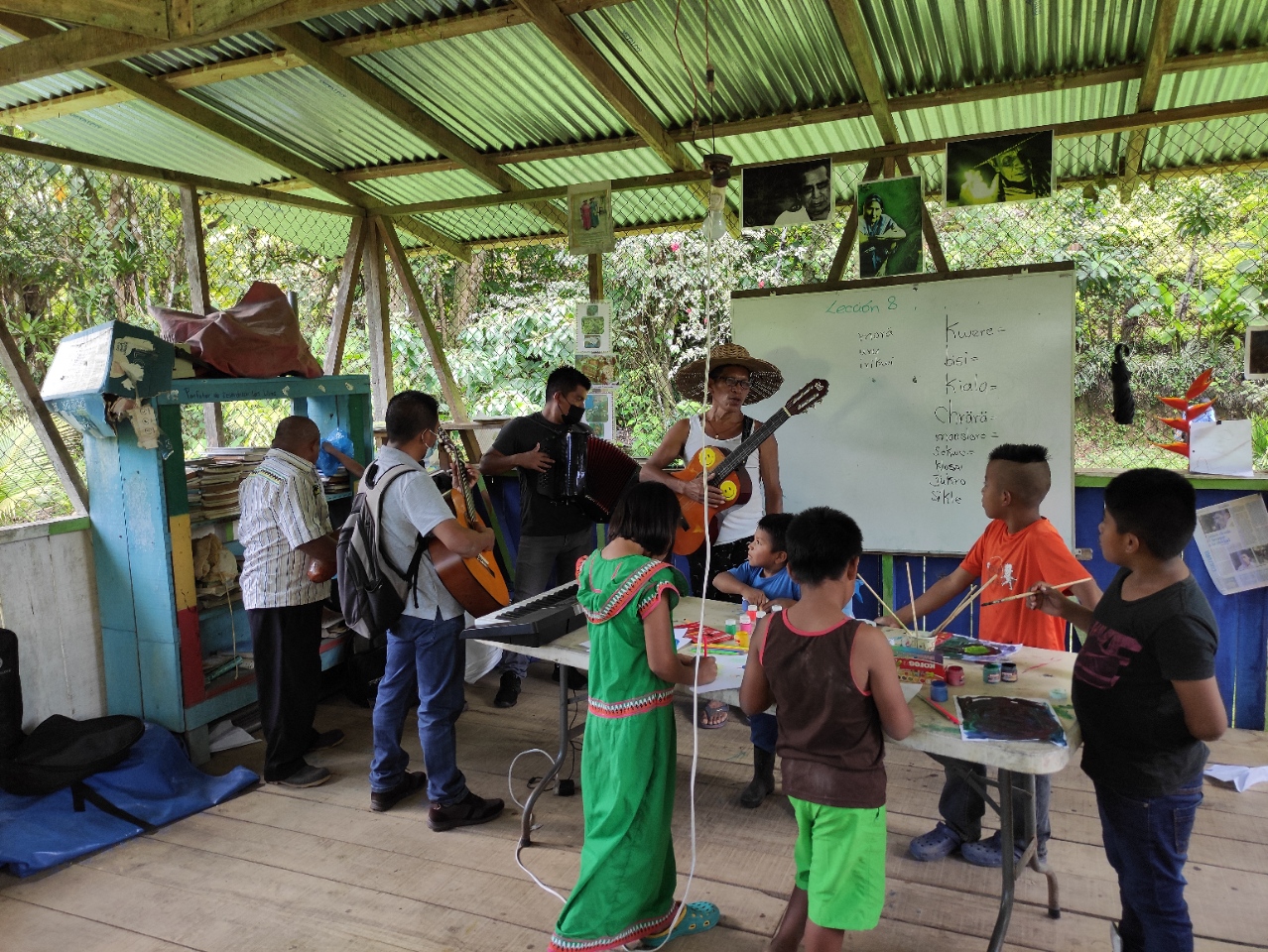
In San Francisco de La Lucha, which is a school with a very large Ngöbe population, we had the luck and pleasure of meeting up with don Alexis “Unchi” Rodríguez, who is a rather famous musician who has traveled the world performing his songs written in Ngäbere — the language of the Ngöbe people. Nowadays he is a teacher of Ngäbere in the local schools. With a two month pause in lessons on the horizon, don Alexis invited Marco and myself to use his finca with a small classroom in La Casona to offer Detectives de Aves to some of the local kids during the “vacation”. We were thrilled, of course. This was a singular experience. We met some great kids, a couple of whom I will never forget, and parents, too. Some walked 2 hours each time from Copey, which is muy montaña arriba (“Way the heck up the mountain”). After several weeks of driving on days on which I wasn’t supposed to — I did write myself a letter which should have been sufficient to make me legal — we finished up there two weeks ago with a lovely bird walk, graduation, music by Unchi and his band, and a wonderful lunch. A big thank you once again to don Alexis, his wife, don Rafael and Luciano for making this possible!

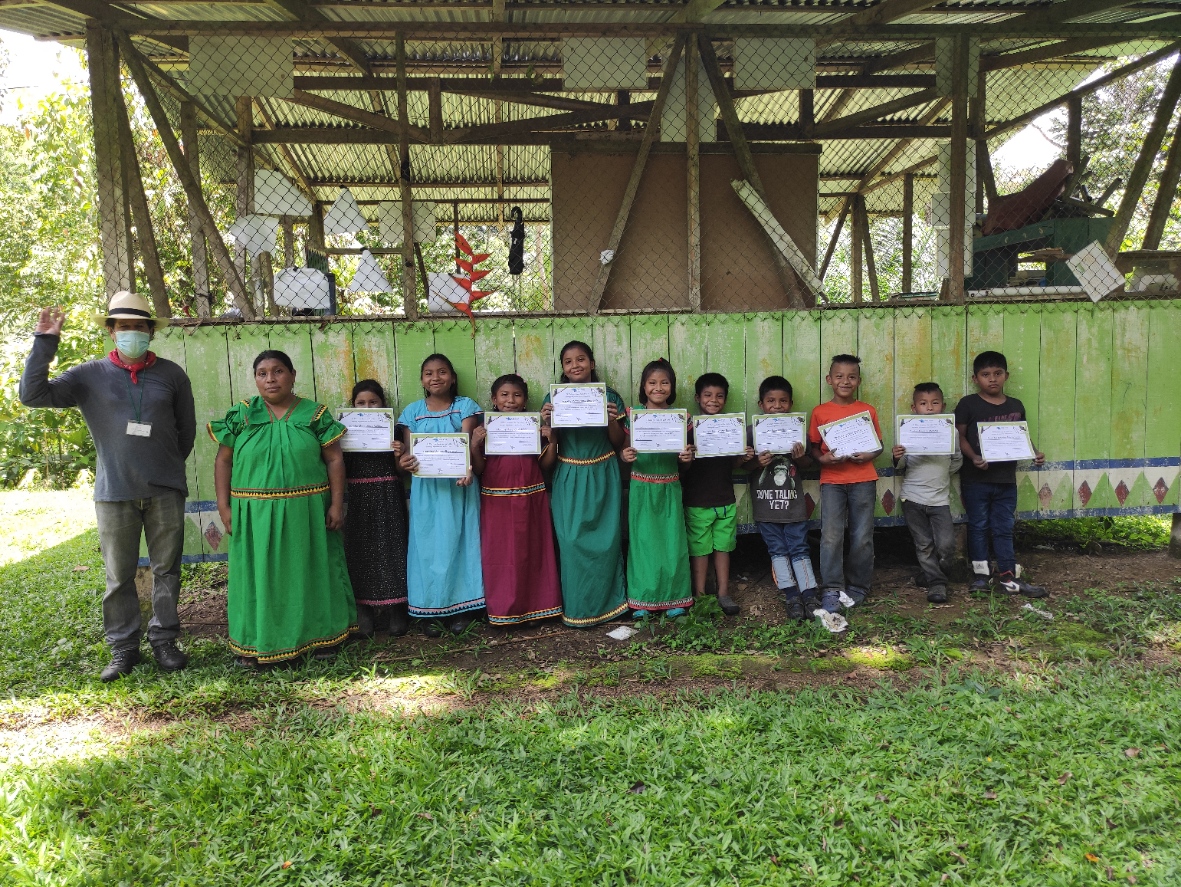
Don Rafeal Bejerano, who helped us at Unchi’s place, is a person of some stature in the community and offered to setup a meeting for us with the principal of the school in La Casona to see if we could offer Detectives there. This was an opportunity I have been trying to get for years. I met with the principal and the head of the junta educativa (school oversight board) last Wednesday (Marco couldn’t come because he was busy teaching in La Lucha), and after a nice conversation we have committed to offering Detectives to 27 6th graders starting this Wednesday! Even, or especially, in times of pandemia it is super important to get out in the community, show your face, press the flesh (even if only metaphorically) and make the personal connection that is required to build trust and a foundation for future collaboration. This is even more true here, in Coto Brus, which is one big small town, and where, even though WhatsApp is ubiquitous, a cafecito and conversation is still how things get done in the end.
So, everything is back at full speed once again after the two month “Pause”. We have finished in San Francisco and San Miguel. We have begun in La Lucha and Piedra Pintada already. La Casona starts on Wednesday, Gonzalo Acuña on Thursday and San Marcos very soon. We have two new teachers in training: Yolanda Morales, who will be working with Marco in La Casona for the next several weeks, and a very bright and interesting young man named Luciano, who is from La Casona and who helped us out at don Alexis’ finca.
I have a couple of more articles planned for the near future (I can hear you thinking, “Yeah, we’ve heard that one before.”) about other exciting, well at least to me, things we have been up to.
Thank all of you for your support over the years! None of this would have been possible this year without the trust we have built, the friends we have made and the experience we have have gained over the last several years thanks to you all!
Please take care of yourselves, and your neighbors too!

 San Vito Bird Club
You must be logged in to post a comment.