May 31, an Auspicious Day

First, we want to acknowledge Memorial Day for our members in the US — the beginning of summer but a solumn day commemorating the countless soldiers who lost their lives in wars over too many years.

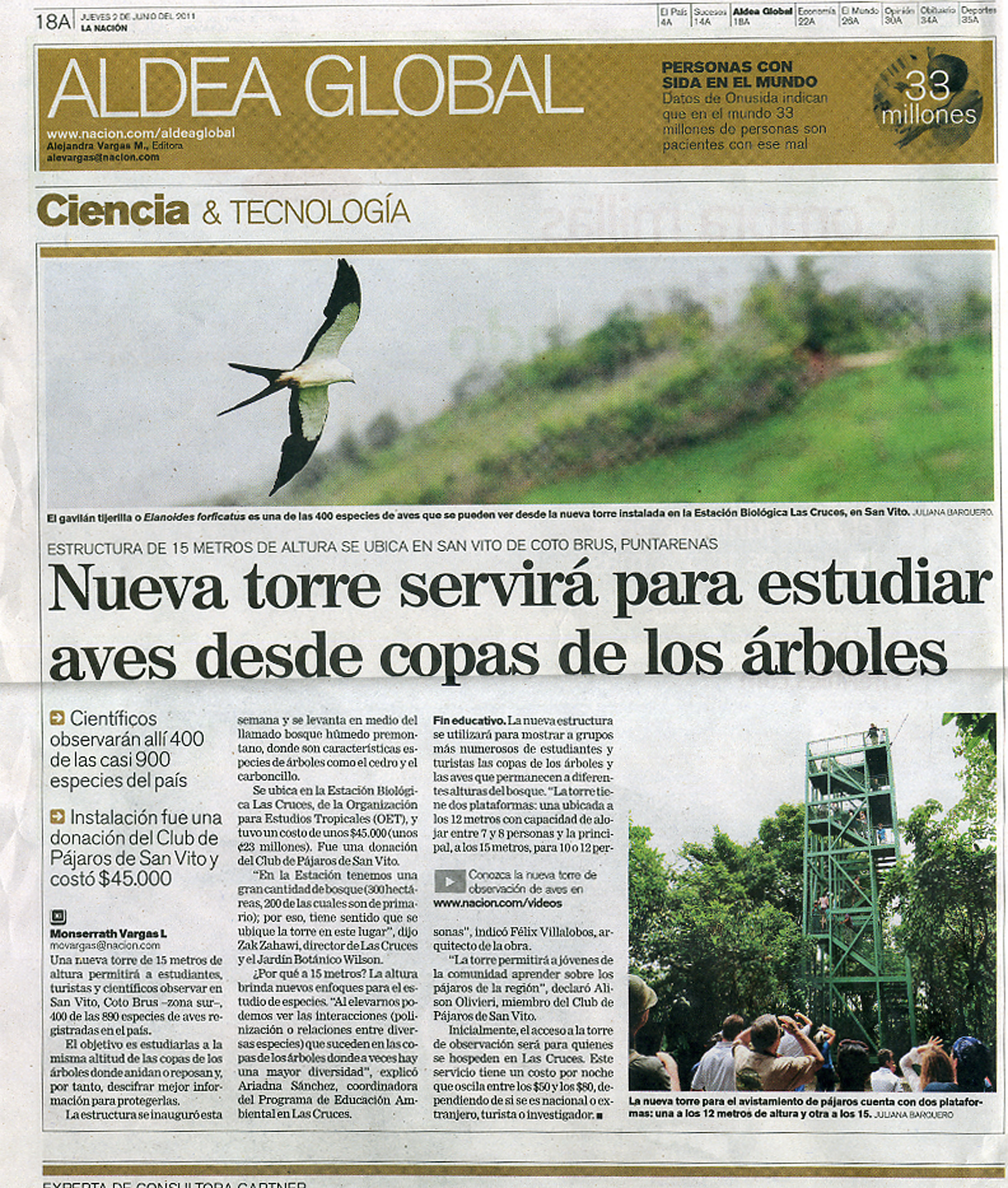
Closer to home, we celebrate the 10th Anniversary of the Canopy Tower at OTS/Las Cruces Research Station inaugurated on this day in 2011. SVBC members, supporters and friends pulled together to raise the necessary funds for this rather daunting project that began with an enormous hole in the ground.

Special thanks to Campaign Committee Members: Julie Girard and Dave Woolley; Lydia and Ernie Vogt; Michael Olivieri; Zak Zahawi, then Director of Las Cruces; Kate Allen and Patrick Desvenain for special events assistance; our architect Felix Villalobos; Jim Zook for site consulting; the entire staff of Las Cruces for encouragement; the construction crew and, finally, the two Great Tinamous that walked right up the trail to the ongoing building site and bobbed around for a bit, leading me (at least) to think it would work out in the end.

We re-dedicate the Tower to all birders — past, present and future.
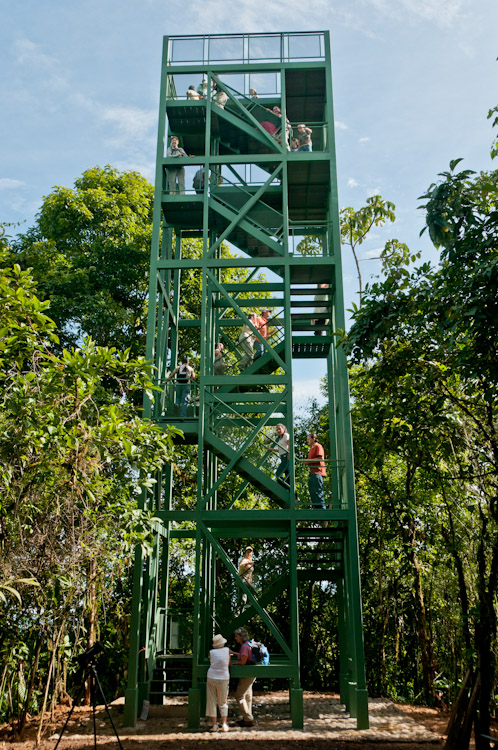
Photo by Harry Hull III
From La Nacion, May 31, 2011

Birds We Rarely See (possibly because they don’t want to be seen): part II

Oilbird: photo courtesy of Randall Jimenez

The bird you see above is an extreme rarity…the Oilbird. Rarely seen for three reasons:

  1. It is a nocturnal bird and is dressed in the colors of the night.
  2. It lives primarily in caves during the day.
  3. It is,,,rare. To learn more about the Oilbird, one of the most unusual bird species on Earth, follow the link below. But be sure to come back.

https://ebird.org/species/oilbir1

Now let’s have a look at some more of our local birds; those with subtile and clandestine coloration.

Ruddy Foliage-gleaner: photo courtesy of David Rodriguez Arias.

A lot of birders come down to Coto Brus to see rarities and localized species. These species are often referred to as ‘target birds’. The Ruddy Foliage-gleaner (above) is definitely one of our most targeted. You’ll hear it more often than see it; and almost always in the lower stratum of the forest.

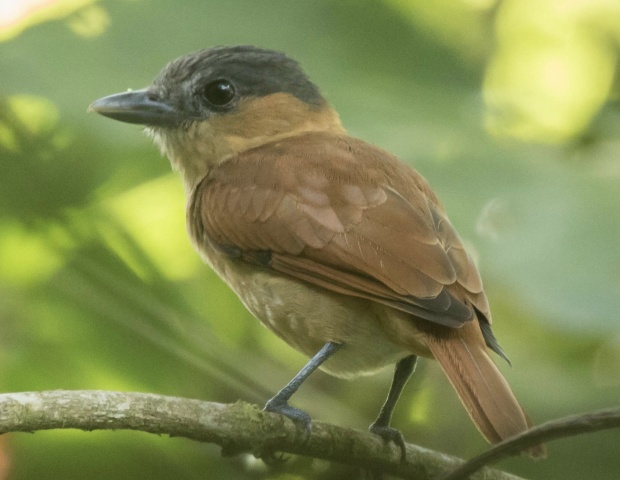
Rose-throated Becard (female): photo courtesy of Randall Jimenez
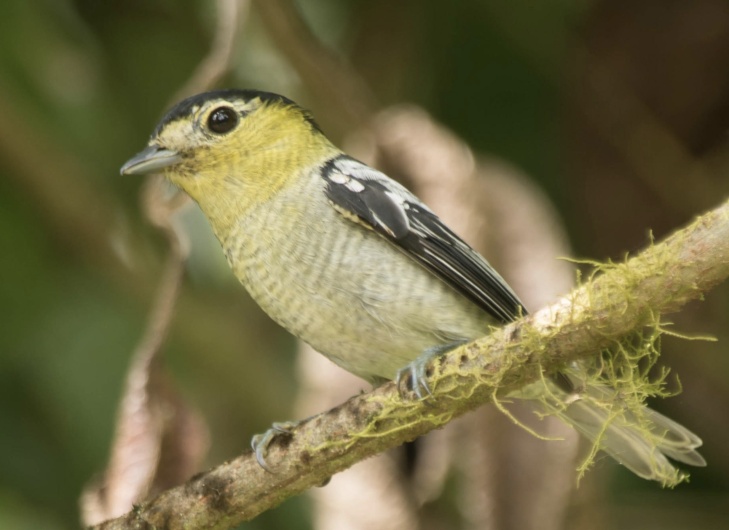
Barred Becard (male): photo courtesy of Randall Jimenez

A bit like Cotingas, a bit like Flycatchers the Becards are an interesting family. Dressed in subtile and elegant earth-tones you’ll find them (if you’re lucky and quick) in the upper middle to canopy level of our forests. Both the Rose-throated Becard (the first one above) and the Barred Becard (just above) have distinct sexual dimorphism; meaning males and females look different. But all Becards seem to have heads just a little too big for their bodies.

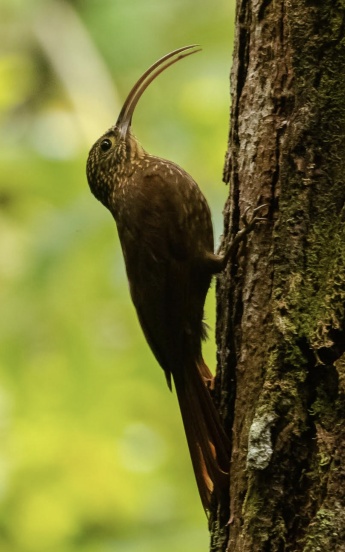
Brown-billed Scythebill: photo courtesy of David Rodriguez Arias

If you ever need a bird to retrieve the last olive out of the olive jar, may I suggest the Brown-billed Scythebill (above). One of our many Woodcreeper species; all having a shadowy brown coloration and robust calls.

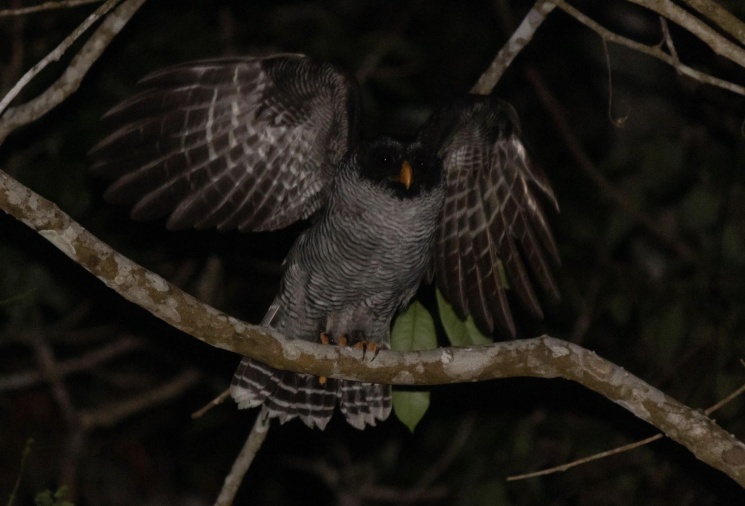
Black-and-White Owl: photo courtesy of Randall Jimenez

For the gloriously-marked Black-and-Whitle Owl (above), a bright street light on a clear, dark night has all the attraction of a full buffet to a hungry tourist. Big moths and other nocturnal insects are irresistibly attracted to bright lights…Black-and-White Owls are irresistibly attracted to big moths (and bats!). As Walt Disney taught us; IT’S THE CIRCLE…THE CIRCLE OF LIFE.

Finca Cántaros Environmental Association

Something great has come out of this strange and terrible pandemic: the Finca Cántaros Environmental Association. With the Class A brain of Dr. Lilly Briggs whirring and whirling while the world was at a seeming standstill, here comes a new nonprofit organization dedicated to environmental education, forest restoration and research with three key action words: “Learn. Connect. Act.”

Canada to Costa Rica and Back

Based in Canada but operating in San Vito, the FCEA will have impact and influence in the Canton of Coto Brus but also the entire country. Working with Proyecto Cerulea partners Ernesto Carman and Paz Irola, Lilly had the country’s second MOTUS tower installed and has already downloaded information on migrating Swainson’s Thrushes, originally tagged in Canada(!).

The Website

And that is just ONE of the myriad projects being worked on by Lilly’s knowledgeable and energetic team. They have just launched a new English-language website — we encourage all our members to take a look. It is beautiful and packed with information about the ongoing projects, plus you can meet the team.

The Projects

Interested in, well, birds? Of course! Weekly Bird Counts are conducted at Finca Cantaros following strict protocols. What about bats? Monthly site visits by the Monteverde Bat Jungle crew are gathering information on local bats and watching natural reforestation in action, especially in the Children’s Rain Forest of Coto Brus, just outside Cántaros’ forested area. Reforestation? There’s a Tree Nursery collaboration with Osa Conservation! Sustainable food production? Women Committed to the Earth is a program working on agroecology practices applicable to local conditions. Art and Science? What about Nature Sketch from the Robert Bateman Foundation? And finally we circle back to the SVBC sponsored program, member-supported Detectives de Aves, now being taught in local schools for the first time in almost two years.

Birds We Rarely See (but would like to see more often). Part 1

Do birders like colorful birds more than drab birds? That’s a tough question…but the answer is clearly a YES! However, when two or more birders get together you will often hear them waxing rhapsodic about such features as ‘…that subtile bran-colored wash on the primaries‘ ‘…a slight pinkish tinge on the lower mandible‘ and especially ‘…wing bars‘; we just LOVE talking about wing bars.

But when beautiful, colorful, charismatic birds (like the ones below) show up, birders turn into little kids who have been let into an ice cream shop.

So, yes; we like pretty birds more than drab birds just like everyone else.

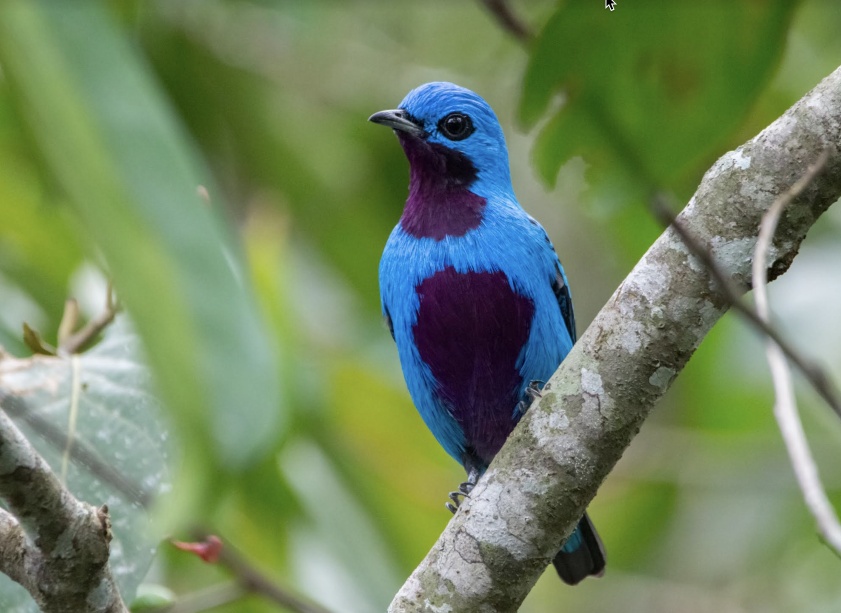
The photos below, all submitted by our good friend Pepe Castiblanco, are examples of colorful, beautiful and charismatic birds that we rarely see but would like to see more often.

Turquoise Cotinga: photo by Pepe Castiblanco
Resplendent Quetzal: photo by Pepe Castiblanco
Rosy Thrush Tanager: photo by Pepe Castiblanco
Golden-browed Chlorophonia: photo by Pepe Castiblanco

Next week, on ‘Birds We Rarely See‘ the focus will be on some of those bird species that are less brightly colored and with more subtile beauty…and possibly wing bars.

ps: If I ever open a saloon for birders I’m going to call it ‘The Wing Bar’.

Bird Walk Sunday, May 9

Please join us this Sunday for a free Bird Walk on the Poro Road. We will meet at 7:30 am down the hill where we leave the cars. As always, we will have binoculars to lend.

Directions: from Las Cruces toward San Vito, take the first unpaved (lastre) road to the right after the hospital. From San Vito toward the hospital, take the unpaved road to the left after Soda La Negra.

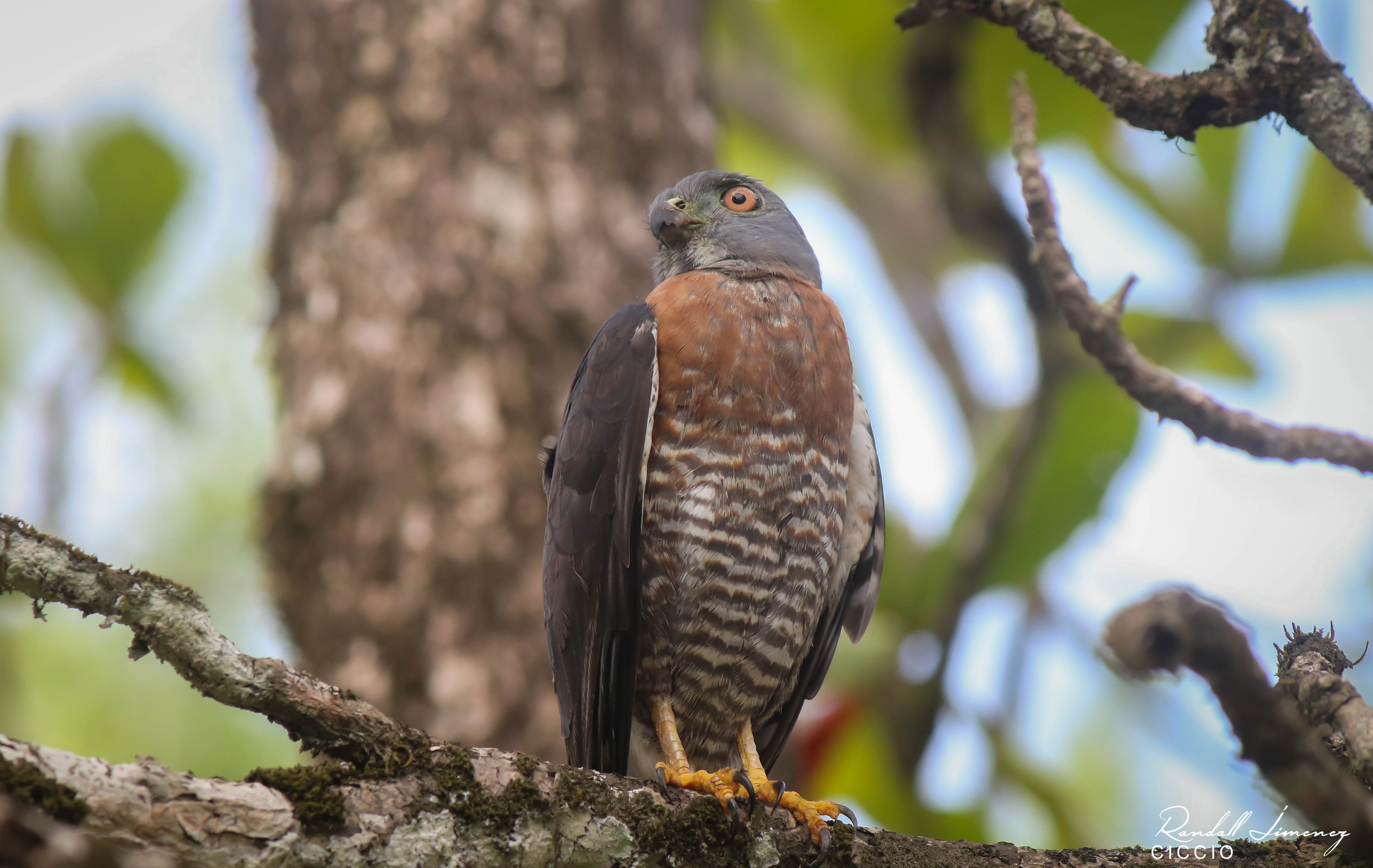
The walk will go for about an hour. If we are lucky, we might see a pair of nesting Riverside Wrens or Double-toothed Kites! We don’t have a sign-up link this time — we will be there anyway.

REMINDER: International Migratory Bird Day and a Global Big Day occur the day before, on Saturday, May 8. Don’t forget to bird around your house, along the road or at your favorite spot and submit your list to eBird.